How Can Your Culture Predict Your Diagnosis?

Imagine you have two patients. Neither has slept in what feels like months. Both feel as though they have a weight on their bodies they can't shake. One patient states they have been feeling down. The other states they have been having body pain and feel tired all the time.
They could have the same disease. They will most likely have very different visits.
A diagnosis is like a thermometer. It's not. It's what happens when 2 people communicate and have different backgrounds about what counts as a symptom or what you're comfortable talking about. Without common ground, culture can be just as accurate as your diagnosis.
Diagnosis Is a Conversation, Not a Measurement
Blood pressure is just a number. Many diagnoses involve information from the patient and the diagnosis the professional reaches. What the patient chooses to disclose, the words they know to describe it, and how the professional hears it can all be affected by culture.
Anthropologist Arthur Kleinman coined the term explanatory model. Each patient comes in with some story about what they feel is wrong with them and what they believe caused it. They may also include what they believe can be done about it. These ideas can come from family members and culture (Kleinman 1980). The clinician will also have an explanatory model. It may come from their knowledge and experience or from family/culture as well. Where these explanatory models intersect, the clinician makes a diagnosis.
The Same Distress, Different Languages

At the beginning of the 1980s, Kleinman assessed 100 individuals who were being treated at a mental health facility in Hunan, China. Each individual was diagnosed with neurasthenia. At the time in China, it was commonly diagnosed in those who suffered from exhaustion, lack of sleep, and pain. After applying the DSM-III to these individuals, 87 were found to have major depressive disorder. And 44 were suffering from some kind of chronic pain that went undiagnosed. Kleinman(1982) did not believe that the Chinese were repressing symptoms of depression. But rather they suffered from neurasthenia, which he thought of as a culture-bound syndrome.
Things have become a little more complicated. Chinese or Euro-Canadian patients volunteered information about what troubled them. Chinese patients tended to volunteer more physical ailments, and the Euro Canadians tended to volunteer more psychological problems (Ryder et al., 2008). It is not as if one group was troubled less than the other. They just brought up certain problems before others.
Psychiatry has begun to incorporate this into its manual. In the DSM-5, they have added a list of Cultural Concepts of Distress. These are concepts used within a culture to describe their distress (American Psychiatric Association [APA], 2022). Some include ataque de nervios, which many Latinos may suffer from. And kufungisisa, or thinking too much in Zimbabwe. The Cultural Formulation Interview was also created to allow the patient to express what they feel is causing their distress in their own terms (APA, 2022). This interview consists of 16 questions.
When the Listener Brings Their Own Culture
Now we can start looking at how the clinician may perceive these interactions. Clinicians also have preconceptions when interpreting patients' speech.
Studies have shown that black Americans are diagnosed with psychotic disorders three to four times more likely than whites, and Hispanics are about three times more likely to be diagnosed with a psychotic disorder (Schwartz & Blankenship, 2014). Schwartz and Blankenship explain that this trend has continued for many years across mental health fields. There is no way to know how many of these individuals have been misdiagnosed or how many are experiencing higher levels of stress from racism. However, Schwartz and Blankenship explain that research supports the idea that clinicians may perceive certain things when talking with some of these patients.
As I said before, this is not something new. Psychiatrist and historian Jonathan Metzl (2009) has spoken about how during the time of civil rights, schizophrenia came to be viewed as violent and aggressive and began to be associated with black men. Once again, a stigma changed because society changed around it.
Pain has been proven to do this as well. A study in 2016 found that roughly half of the white students/residents had at least one misconception about blacks and whites having biologically different traits. For example, believing that blacks have thicker skin. When asked to evaluate a black patients pain, those who believed these misconceptions scored them lower and were less accurate when recommending treatment. Those who did not believe any of these misconceptions showed no bias when recommending treatment (Hoffman et al., 2016).
If you have read our article about medical mistrust, you will understand why this matters. If someone doesn't believe you in the doctor's office, you may become distrustful, and if you are distrustful, you may be less likely to return.
When the Diagnosis Comes Late
Culture can affect your diagnosis but can also affect how early you receive it.
There was a study done on 584 African Americans with autism from four different specialty facilities in the US. These children received an average diagnosis around 65 months old. This is over 5 years old. On average, they were diagnosed 3 1/2 years after parents first showed concern about their children's development (Constantino et al., 2020). On average, white children are diagnosed around 6 months earlier than African Americans. Studies have shown that African Americans take longer to be diagnosed even when given the opportunity to see specialists (Dryden, 2020).
This study explains why the delay occurs. We know lack of access to services is a factor. Why aren't these behaviors seen as early as we think they should be? It's whether you think a child is acting a certain way because they may have autism or just being who they are. There could be many reasons someone thinks a child needs to be looked at for autism, and each year they go without that help is damaging.
Culture Is Not a Crystal Ball
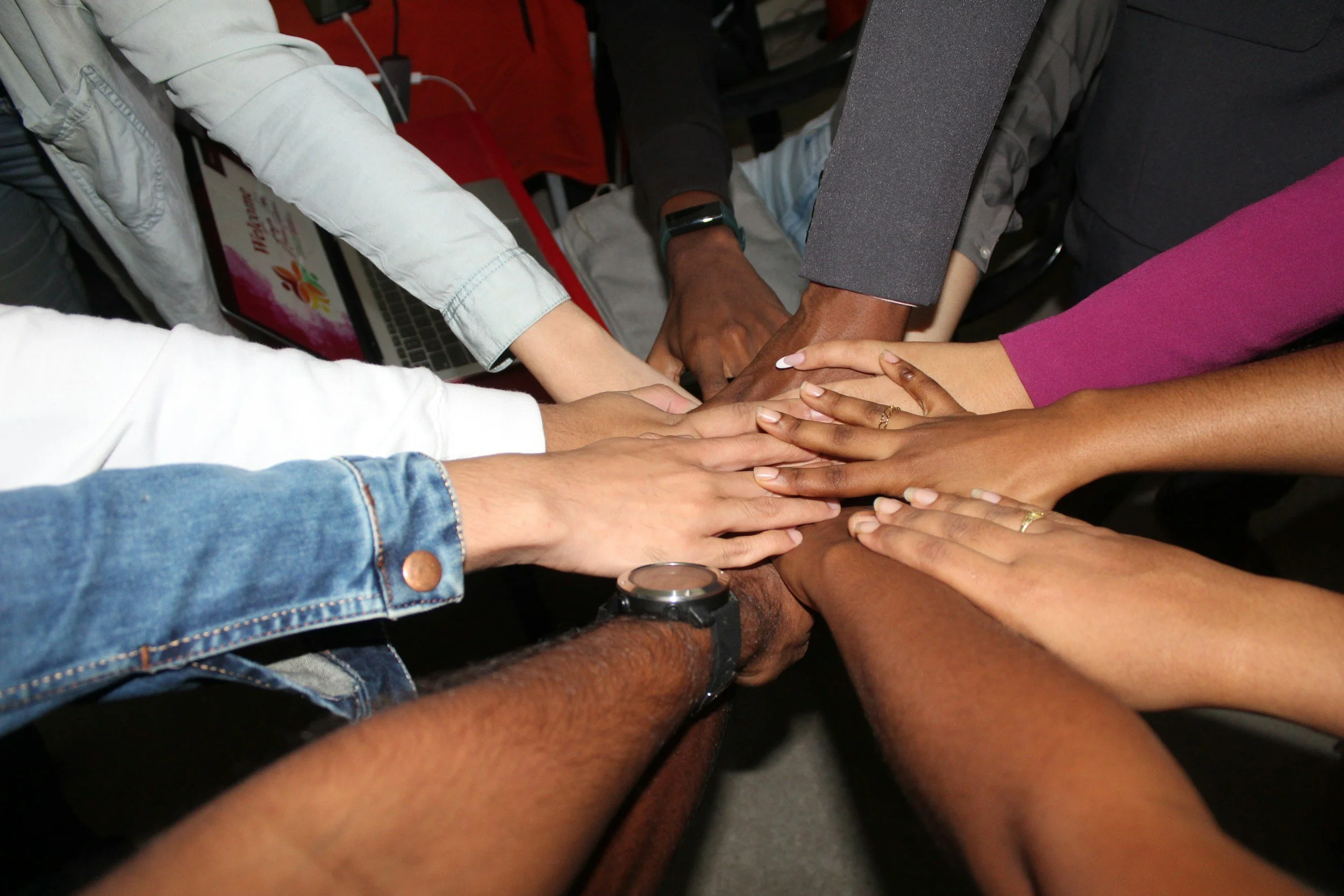
Might is the key word here. Culture can affect probabilities, but it won't determine a diagnosis.
Many variations exist within each culture. Cultures are always changing through immigration and intermarriage, as well as as generations pass down beliefs. Thinking that all Chinese patients will somaticize their distress or thinking that a Latina who experiences ataques will be diagnosed with [x] is not cultural competence; it's just stereotyping and not paying attention. Somaticization also varies. When we dig deeper, the difference is more about what types of symptoms patients exhibit first, not whether they're experiencing distress (Ryder et al., 2008).
These are all great examples, but we have to look at what we are actually talking about here. Some of these, like Neurasthenia and Kufungisisa, reflect how a culture perceives distress and describes it to others. Other examples are simply racism, such as not diagnosing psychosis, under-medicating for pain, and diagnosing autism later in life. These go hand in hand and can affect diagnosis, but they are different issues.
The Takeaway
Think of diagnosis as a dialogue. Often, when we make diagnostic mistakes, it’s because our dialogue went wrong. Learning how different cultures “think” about disease will not fix this problem. We need to learn to ask better questions. And really ask them. What do you believe is happening to you? What do you believe is causing this? What are you most afraid of? These are some of the questions that the Cultural Formulation Interview hopes to teach clinicians (APA, 2022).
When working with patients, it may help to remember that there is no wrong way to explain what's happening to your body. It's information, and your body, so feel free to express what you believe is happening. When working as a clinician, remember that you also have a bias. Know what it is so you are aware of what you may not see.
Culture will not dictate your diagnosis. However, it will affect what information you receive. It can affect how quickly someone listens to your story.
References
American Psychiatric Association. (2022). Diagnostic and statistical manual of mental disorders (5th ed., text rev.). https://doi.org/10.1176/appi.books.9780890425787
Constantino, J. N., Abbacchi, A. M., Saulnier, C., Klaiman, C., Mandell, D. S., Zhang, Y., Hawks, Z., Bates, J., Klin, A., Shattuck, P., Molholm, S., Fitzgerald, R., Roux, A., Lowe, J. K., & Geschwind, D. H. (2020). Timing of the diagnosis of autism in African American children. Pediatrics, 146(3), Article e20193629. https://doi.org/10.1542/peds.2019-3629
Dryden, J. (2020, August 23). African American children with autism experience long delays in diagnosis. Washington University School of Medicine in St. Louis. https://medicine.washu.edu/news/african-american-children-with-autism-experience-long-delays-in-diagnosis/
Hoffman, K. M., Trawalter, S., Axt, J. R., & Oliver, M. N. (2016). Racial bias in pain assessment and treatment recommendations, and false beliefs about biological differences between blacks and whites. Proceedings of the National Academy of Sciences, 113(16), 4296–4301. https://doi.org/10.1073/pnas.1516047113
Kleinman, A. (1980). Patients and healers in the context of culture: An exploration of the borderland between anthropology, medicine, and psychiatry. University of California Press.
Kleinman, A. (1982). Neurasthenia and depression: A study of somatization and culture in China. Culture, Medicine and Psychiatry, 6(2), 117–190. https://doi.org/10.1007/BF00051427
Metzl, J. M. (2009). The protest psychosis: How schizophrenia became a Black disease. Beacon Press.
Ryder, A. G., Yang, J., Zhu, X., Yao, S., Yi, J., Heine, S. J., & Bagby, R. M. (2008). The cultural shaping of depression: Somatic symptoms in China, psychological symptoms in North America? Journal of Abnormal Psychology, 117(2), 300–313. https://doi.org/10.1037/0021-843X.117.2.300
Schwartz, R. C., & Blankenship, D. M. (2014). Racial disparities in psychotic disorder diagnosis: A review of empirical literature. World Journal of Psychiatry, 4(4), 133–140. https://doi.org/10.5498/wjp.v4.i4.133
